
コンクリート床の研磨は、作業に適したダイヤモンド工具の選択に大きく依存します。コンクリート混合物の種類、表面の状態、プロジェクトの目的といった要因は、研磨中の床の状態に影響を与えます。選択した工具が表面と適切に適合していない場合、作業の進行が遅くなったり、摩耗が不均一になったり、仕上がりが一定でなくなったりすることが多く、床張り工程全体に悪影響を及ぼします。
The bond type and diamond exposure are crucial for grinding effectiveness. Hard concrete usually needs tools that release diamonds more readily to maintain consistent contact with the surface, whereas softer concrete requires a stronger bond to control wear. Finding the right balance helps the grinder maintain steady grinding action and minimizes the chances of glazing or excessive tool wear during prolonged use.
The shape of the tool and its attachment system also affect how evenly pressure is applied across the floor. Trapezoid diamond grinding tooling is often used in the initial passes to level the surface and efficiently remove coatings. Its stable design enables grinders to follow the slab more precisely, creating a flatter surface that supports subsequent finishing steps.
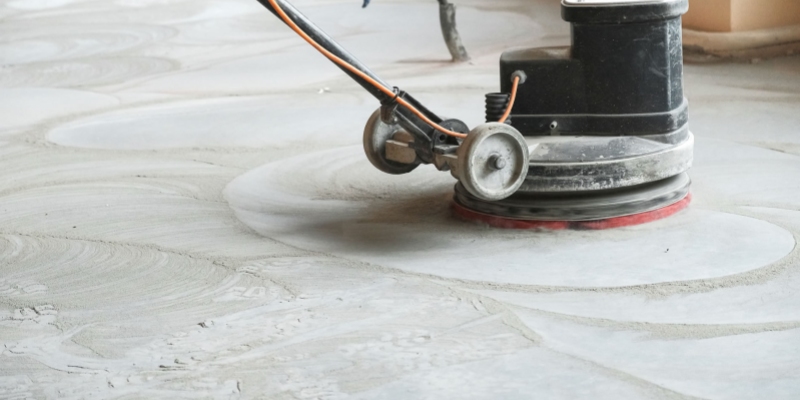
As grinding continues, refining the surface depends on smooth transitions rather than aggressive material removal. Using ceramic bond diamond grinding pads that are well-suited to the concrete helps smooth out scratch patterns while preserving the floor’s integrity. This consistency is particularly important for large slabs, where uneven tool choices can cause noticeable differences in texture and shine.
Achieving reliable results comes from combining experience with quality equipment. Professionals working with suppliers like TransGrind gain access to metal diamond grinding tools designed for specific grinding conditions, allowing each pass to build effectively on the last. Careful tool selection not only enhances grinding efficiency but also establishes a foundation for a concrete floor that performs better and looks superior over time.

 IPv6 サポートされているネットワーク
 English
 français
 Deutsch
 русский
 italiano
 español
 português
 العربية
 日本語
日本語 Polski
 中文
中文