English
 français
 Deutsch
 русский
 italiano
 español
 português
 العربية
 日本語
日本語 Polski
 中文
中文
方法 お手伝いできますか
あなた あなたにとって都合の良い方法で私達に連絡することができます。 私たち 24時間 / 7 でご利用いただけます日 経由 メールまたは 電話
お問い合わせ
エッジ(端部)の研削には、広くて開けた床面全体を研削する場合とは異なるアプローチが必要です。コーナー、壁、階段、その他の狭い場所では、機械を動かすスペースが少なく、一定の研削経路を維持するのが難しくなります。そのため、適切なエッジ用ツールを作業エリア、材料の状態、および必要な精度のレベルに応じて選択する必要があります。一般的な床研削に適したツールであっても、壁際や細かいエッジ周辺の作業では、必要な制御性が得られない場合があります。
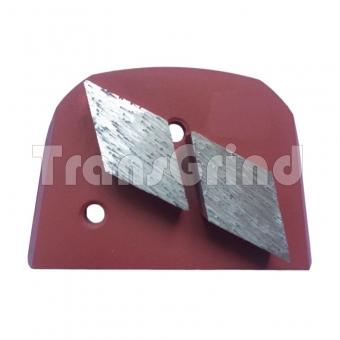
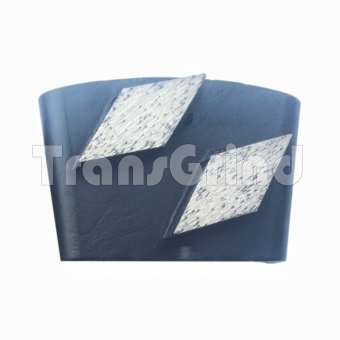
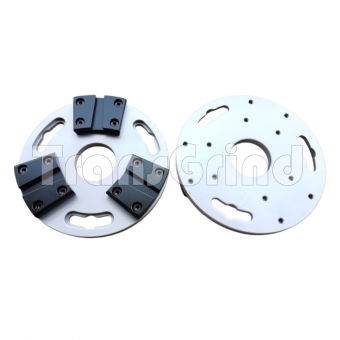
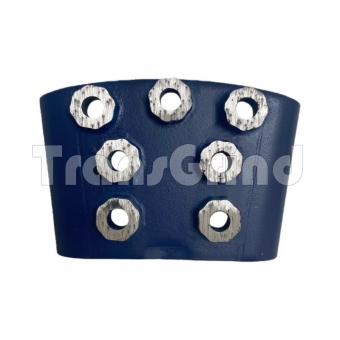
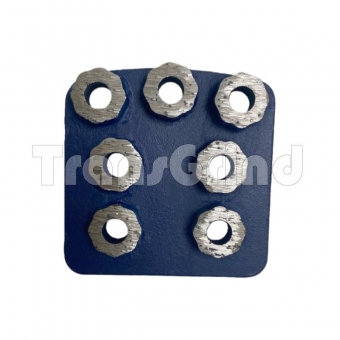
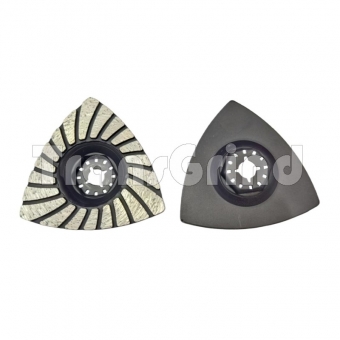
ツールの形状とセグメント設計は、研削中のエッジ用ツールの挙動に直接影響します。コンパクトな設計であれば制限のある場所にも届きやすくなり、ダイヤモンドセグメントの形状や配置は材料の除去方法に影響を与えます。例えば、振動三角研削ツールは、従来の円形研削ヘッドでは届きにくい場所やエッジの近くで作業する必要がある用途に適している場合があります。作業エリアや機械のセットアップによって異なる接触形状が求められる場合は、他のコンパクトな構成の方が適している可能性があります。単に除去率が高いという理由だけでツールを選ぶのではなく、研削するエリアに合わせてツールの形状を適合させることに重点を置くべきです。
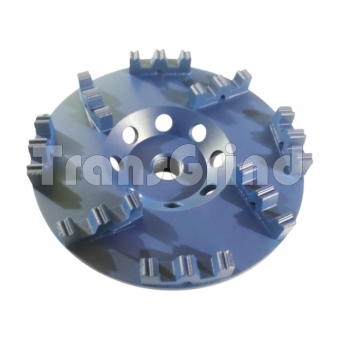
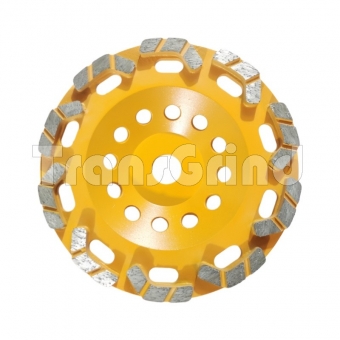
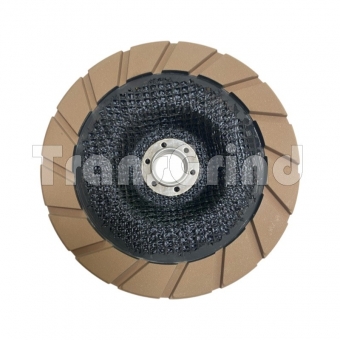
コンクリートやその他の基材の状態もツールの選択に影響します。硬くて密度の高いコンクリートには、柔らかい材料や研磨性の高い材料とは異なるボンド(結合材)やダイヤモンドの仕様が必要になる場合があります。粒度の選択は、除去が必要な材料の量と対象となる表面の状態に合わせる必要があります。5インチアルミニウム研削カップホイールは、使用する機械や準備するエリアに対してコンパクトなカップホイール構成が適している場合に役立ちますが、ホイールは依然として材料や研削要件に適合させる必要があります。最初から過度にアグレッシブなツールを使用するとエッジの制御が難しくなる可能性があり、逆にツールが穏やかすぎると過剰なパスが必要になり、作業時間が増加する可能性があります。
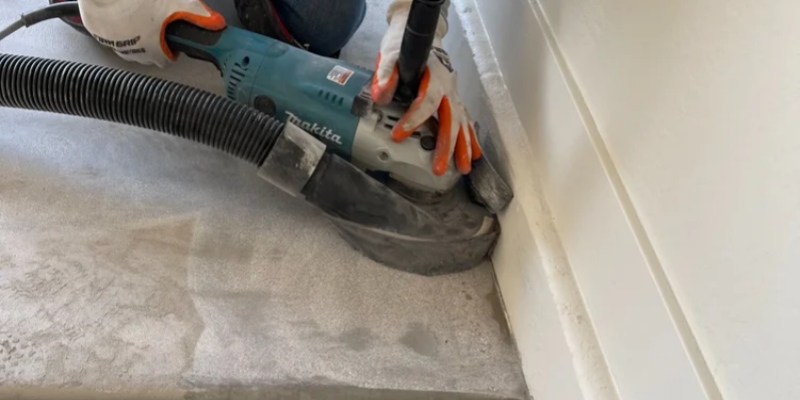
エッジ研削ツールを選択する前に、機械との互換性を確認する必要があります。取り付けシステム、ツールの寸法、作業速度、および利用可能なクリアランスはすべて、使用する機器に適合している必要があります。さまざまな床研削機やエッジ研削機を使用する請負業者にとって、互換性のあるダイヤモンドツールを使用することは、意図した研削位置を維持し、不必要な調整を避けるのに役立ちます。また、ツールはオペレーターに無理な作業姿勢を強いることなく、エッジに十分アクセスできる必要があります。これらの実用的な詳細は、精度が求められる作業において、制御性に顕著な影響を与える可能性があります。
エッジでの精密研削は、ツールの操作方法にも依存します。過度な下向きの圧力、不適切な研削角度、または速すぎる移動は、不均一な除去やエッジに沿った目に見える跡を引き起こす可能性があります。ツールを制御下に置き、ダイヤモンドに研削作業を行わせることは、一般的にツールを無理に表面に押し付けるよりも効果的です。研削中に定期的にエッジを確認することで、過剰な材料除去を防ぎ、研削されたエッジとメインの床面が接する部分で一貫した仕上がりを実現しやすくなります。

 IPv6 サポートされているネットワーク