日本語

お電話ください

+86-18059236229
banner
FAQ
Can I Skip Grit Steps During Polishing?
Aug 06 , 2026

In most cases, it is better to follow a proper grit progression during concrete floor polishing. However, experienced contractors may skip a grit step in certain situations when the previous grit has already created the surface condition required for the next stage. Skipping grit steps without checking the floor condition can leave scratches behind and affect the final finish.


Each grit step has a specific purpose: removing the scratch pattern from the previous stage and gradually refining the concrete surface. The goal is not to use every grit available, but to make sure the surface is properly prepared before moving to the next step.


Why Are Grit Steps Important in Concrete Polishing?

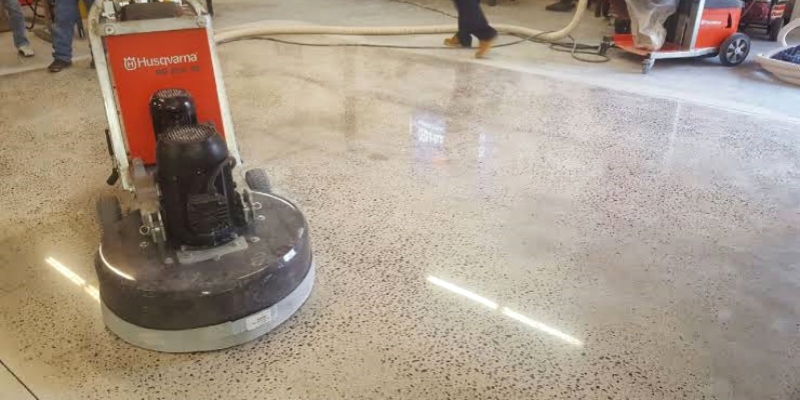
Concrete polishing is a gradual refinement process. Coarser diamond grits remove surface material and create deeper scratches, while finer grits remove those scratches and improve the smoothness and appearance of the floor.


If a grit step is skipped when the previous scratch pattern is still too deep, the next grit may not have enough grinding ability to remove those marks effectively. This can result in:


  • Visible scratches remaining on the surface
  • Uneven appearance after polishing
  • Additional grinding work to correct the problem


When Can You Skip a Grit Step?

Skipping a grit step may be possible when the floor condition allows the next grit to work effectively.


For example:


  • The previous grit has fully removed the existing scratch pattern
  • The concrete surface is relatively consistent
  • The polishing system is designed to handle a larger grit jump
  • The required finish does not require a full grit sequence


Experienced contractors usually evaluate the floor after each stage instead of following the same grit progression for every project.


concrete floor polishing


When Should You Avoid Skipping Grit Steps?

Skipping grit steps is generally not recommended when the previous scratches are still visible, when a high-gloss decorative finish is required, or when the concrete surface has inconsistent conditions.


For polished concrete projects, surface imperfections become more noticeable as the floor reaches higher polishing stages and develops more clarity and reflectivity. If earlier scratches are not properly removed, they may remain visible in the final finish.


Does Skipping Grit Steps Always Save Time?

Not necessarily.


Skipping an unnecessary step can reduce labor time and tool usage, but skipping too much can create additional work if the next grit cannot remove the existing scratches effectively.


The most efficient approach is not always using fewer steps. It is choosing a grit sequence that matches the concrete condition and the desired result.


Choosing the Right Grit Progression

There is no single grit sequence that works for every concrete polishing project. The correct progression depends on factors such as surface condition, desired finish, and the performance of the diamond polishing tools being used.


Before moving to the next grit, make sure the current stage has:


  • Removed the previous scratch pattern
  • Created a consistent surface
  • Prepared the floor for the next polishing step


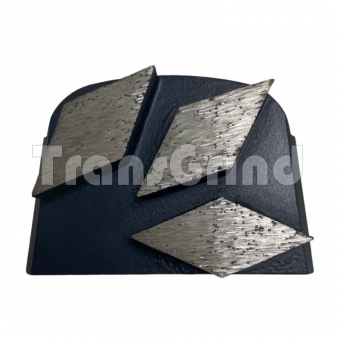
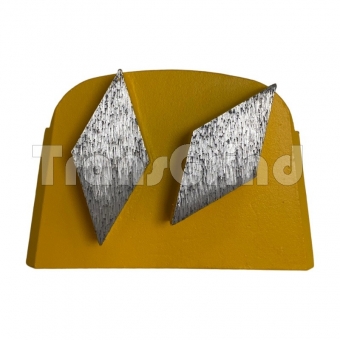
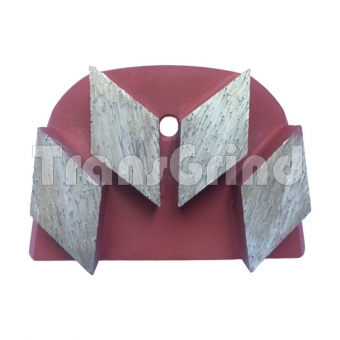
A properly planned grit progression helps diamond polishing pads work more efficiently, reduces the risk of surface defects, and produces a more consistent concrete finish.

新製品

伝言を残す
伝言を残す
もし 当社の製品に興味があり、詳細を知りたい場合は、ここにメッセージを残してください。 できる限りすぐに返信します。

ホーム

製品

連絡先